THE STARTING POINT
What this audience needed.
Connect materials innovation with the changing expectations of consumers, retailers and brands.
WHAT MADE IT SPECIFIC
The audience shaped the research.
At Innovation Takes Root, plant-based materials created a starting point for a wider conversation. Packaging was treated as part of the customer experience and the commercial system, making the research relevant to both technical and business participants.
- Biopolymers and materials
- Packaging experience
- Consumer expectations
- Brand and retail change
HOW THE KEYNOTE CONNECTED THE ISSUES
What made the content specific.
Begin with materials, then widen the view
Plant-based biopolymers provided a concrete context for the Innovation Takes Root audience. The keynote connected that science with the changing needs of brands, retailers and consumers, making the commercial implications part of the materials conversation.
Treat packaging as customer experience
A package communicates and shapes how a product is handled and perceived. That perspective connected design and engineering with marketing, service and brand experience, giving technical and business participants a shared subject to explore.
Connect innovation to the market it serves
Changing consumer behaviour and retail expectations influence which materials and packaging ideas create value. The future story therefore examined both what science makes possible and how the market around those possibilities is changing.
FROM THE PUBLISHED CASE STUDY
Inside the engagement.
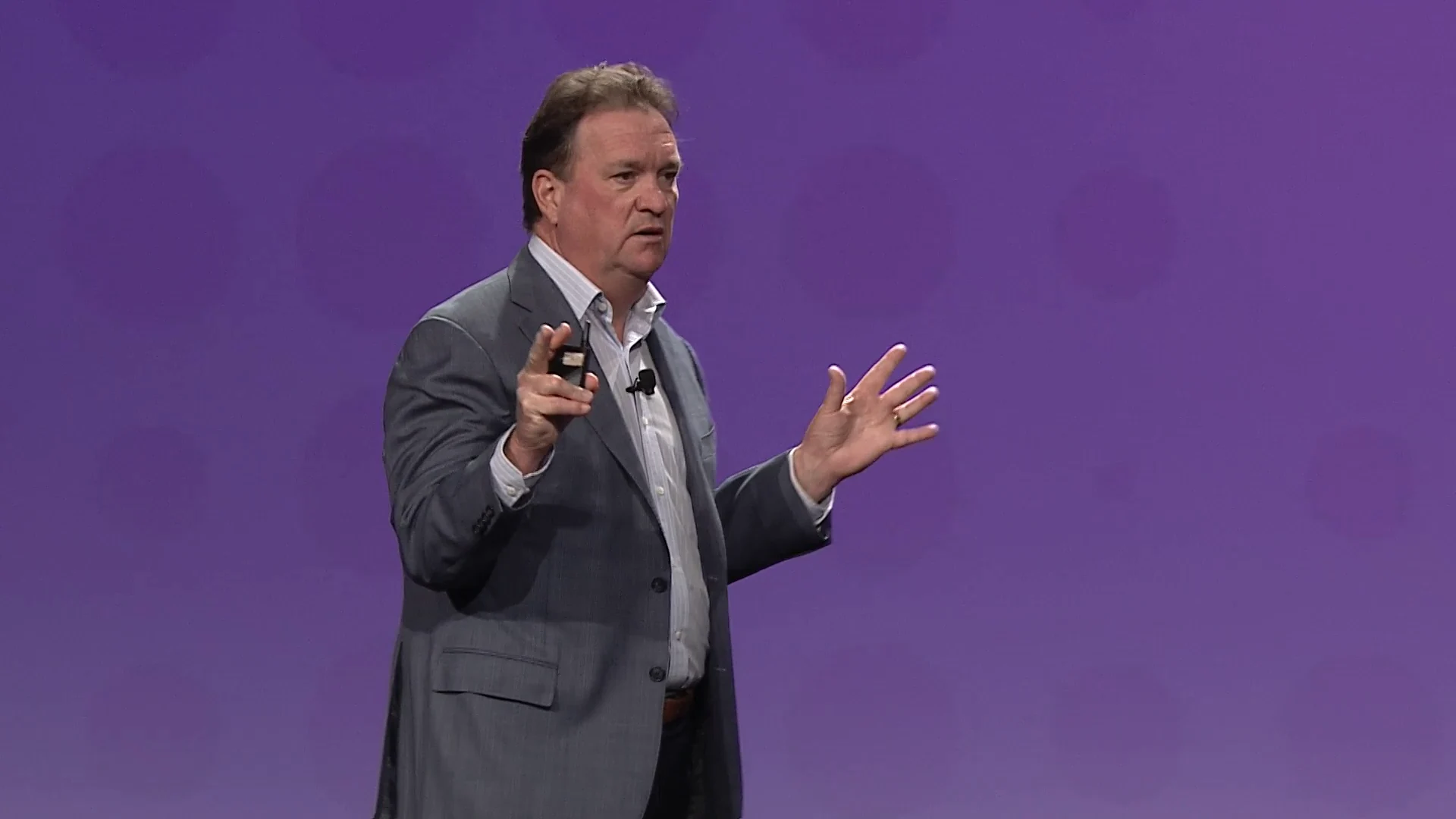
At NatureWorks’ Innovation Takes Root conference in Orlando, Jim Carroll opened an event that brought together businesses interested in the future of materials and consumer-product packaging. NatureWorks’ Ingeo plant-based biopolymer offered a tangible reason for these companies to rethink conventional packaging. Yet Carroll’s keynote widened the frame: packaging’s future would be determined not just by material science but by the changing behaviour of the consumers, retailers and brands it served.
He challenged an audience of several hundred executives to look at the package as something more than a protective shell. In a competitive consumer economy, the opening, handling, design and communication qualities of a package increasingly influenced the complete perception of the brand. An industry report covering the event highlighted Carroll’s memorable conclusion: the package is the brand. Packaging decisions were becoming marketing, service and experience decisions as well as engineering decisions.
Digital commerce added new complexity. An item delivered through a rapidly evolving online fulfilment system could face different physical requirements and customer expectations from a product displayed on a traditional retail shelf. Carroll examined Amazon, faster delivery, new store concepts and shifting buying habits as evidence that packaging suppliers needed to watch developments outside their own sector. Their clients’ customers were changing how they found, bought and received products, and that change would eventually affect specifications and opportunities upstream.
The presentation also explored intelligent and interactive packaging. Sensors, digital information and mobile interfaces suggested that the physical package could become a communication channel. Some examples were emerging possibilities rather than commercial standards. Their importance lay in showing that packaging could carry additional value through information, traceability, engagement and interaction, potentially creating new ways for brands to distinguish their products.
Materials innovation was the other part of the story. NatureWorks’ plant-based polymer connected packaging to changing expectations around sustainability and alternative feedstocks. Carroll examined scientific acceleration, advanced materials and research collaboration to show that new substances and manufacturing methods could challenge what the industry considered normal. The commercial future would depend on the intersection of physical performance, environmental characteristics, cost and customer value, rather than on any one attribute alone.
Carroll finished by urging established firms to move beyond incremental improvements to familiar product lines. Watching consumer habits, experimenting with emerging technologies and partnering across disciplines would allow packaging companies to anticipate market needs rather than react to them. NatureWorks is a particularly strong historical-foresight case because contemporary third-party coverage corroborates the specific packaging-and-brand argument made on stage.
Source: Read Jim’s original case study ↗. This profile describes the keynote’s content and approach; it does not claim business results beyond those documented in the source.
BUILD ON THE INDUSTRY CONTEXT
The consumer has changed the clock.
A faster market requires a different innovation rhythm. Product science, packaging, demand signals and retail channels belong in the same strategic conversation.