THE STARTING POINT
What this audience needed.
Bring a global luxury brand’s executives into a practical discussion about retail reinvention.
WHAT MADE IT SPECIFIC
The audience shaped the research.
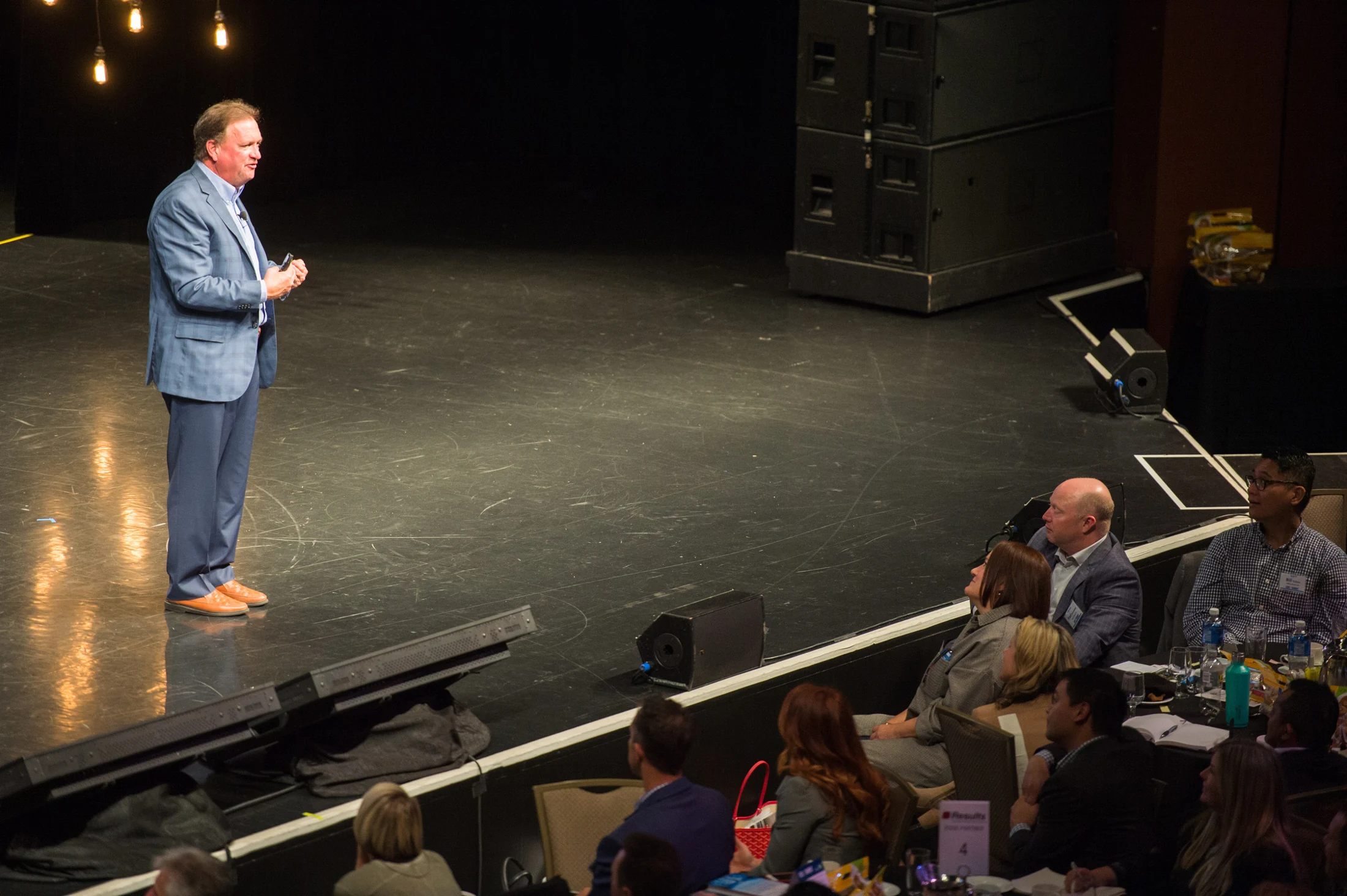
The 2017 meeting in Ghent brought together 50 executives from 18 countries. The keynote connected brand heritage with digital commerce, changing consumers and fulfillment, recognizing that the future of luxury is also a global operating and supply-chain story.
- Digital commerce
- Global consumer behaviour
- Brand experience
- Supply chains and agility
HOW THE KEYNOTE CONNECTED THE ISSUES
What made the content specific.
Connect luxury heritage with changing consumers
A strong premium brand still operates in a market of changing tastes, digital commerce and new expectations. The keynote considered how agility can support a brand’s heritage while helping leaders respond to a different commercial environment.
Bring a global view to a global audience
Fifty executives from 18 countries gathered in Ghent. Examples of changing commerce across markets made the discussion relevant to the international nature of the business and the different consumer environments its leaders served.
Follow the experience through the operating model
The story extended beyond the point of sale. Fulfillment, supply chains and customer experience affect how a brand delivers its promise. Connecting them gave executives a wider view of the capabilities involved in retail reinvention.
FROM THE PUBLISHED CASE STUDY
Inside the engagement.
In May 2017, Jim Carroll addressed 50 Godiva executives representing 18 countries at an international meeting in Ghent, Belgium. Godiva’s strength rested on a highly recognizable premium brand and longstanding product heritage. Yet its leadership operated in a retail environment where digital commerce, consumer preferences and fulfilment methods were changing quickly. Carroll’s challenge was to show how agility could preserve the strength of a luxury brand while allowing it to respond to a very different commercial future.
The Ghent event followed earlier work with a wider London leadership group associated with Godiva and other consumer brands. It was a distinct engagement, not a duplicate presentation. Carroll used a deep set of examples from global retail to emphasize that digital disruption did not stop at the boundary of luxury. Online platforms and mobile payments were expanding rapidly across different markets, with developments in China and other Asian economies particularly relevant to an international executive team.
The keynote explored the acceleration of consumer tastes and how quickly new expectations could spread. Wellness, convenience, new snacking formats and evolving food preferences placed pressure on traditional product cycles. A premium reputation was valuable, but it did not guarantee that customers would continue to want the same retail experience or product mix. For Godiva’s leadership, the strategic requirement was to recognize emerging preferences and experiment without losing the identity of the brand.
Carroll then examined the reinvention of physical retail. Pop-up stores, temporary locations, experimental formats and digitally enhanced shopping environments were changing what a store could be. An important lesson was that physical retail was becoming an experience as well as a place to transact. Brand discovery, design, convenience and memorable interaction could help distinguish a premium offering in a world where products were increasingly accessible through multiple channels.
The presentation also explored digital influence and intelligent packaging. Social platforms and online personalities were beginning to play a larger role in shaping consumer interest, while connected packaging concepts suggested new ways to communicate with customers after purchase. In parallel, fulfilment automation, warehouse robotics and last-mile delivery were changing the capabilities that brands required from distribution partners. The speed of the supply chain could become part of the overall brand promise.
Carroll’s conclusion challenged executives to innovate across the entire business: improve existing operations, pursue new opportunities and rethink underlying models where necessary. This was not a request to abandon luxury heritage. It was an argument that premium positioning needed to be supported by stronger market awareness, experimentation and coordination across marketing, product, retail and logistics.
Source: Read Jim’s original case study ↗. This profile describes the keynote’s content and approach; it does not claim business results beyond those documented in the source.
BUILD ON THE INDUSTRY CONTEXT
The customer has already moved on.
A retail keynote must connect changing behaviour to merchandising and operations. The focus spans shopping agents, physical stores, pricing and fulfillment.